


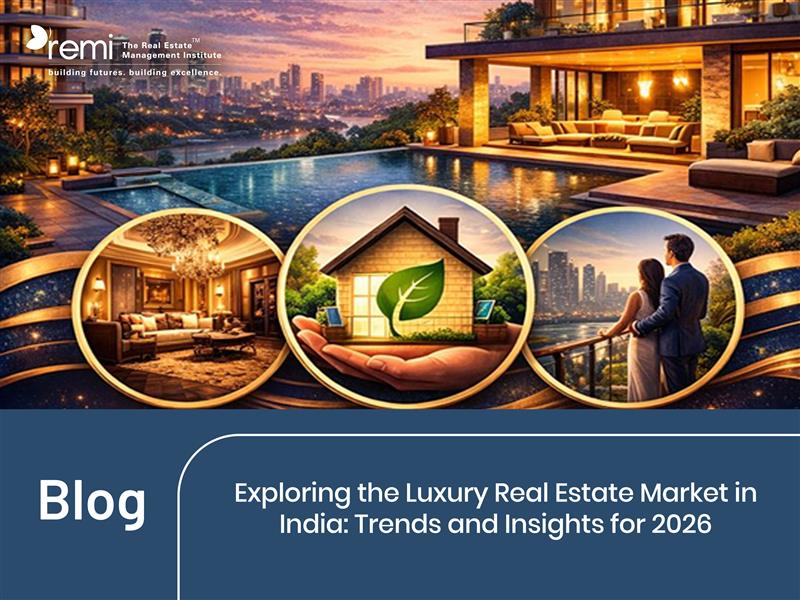
The luxury real estate sector in India is experiencing a remarkable transformation. Once viewed as a niche market catering only to the ultra-wealthy, luxury properties today are attracting a wider set of buyers—including high-net-worth individuals, NRIs, and institutional investors—driven by lifestyle aspirations and strong investment potential. In 2026, the market is defined not just by opulence but by innovation, sustainability, and exclusivity.
What Defines Luxury Real Estate?
Luxury real estate is distinguished by more than high price points. It combines prime locations, premium quality, advanced technology, and bespoke amenities. In India, luxury homes are typically found in metropolitan hubs like Mumbai, Delhi-NCR, Bengaluru, and Pune, as well as in emerging Tier-II cities offering exclusivity and potential appreciation. These properties often feature private pools, landscaped gardens, fitness centers, concierge services, and state-of-the-art smart home systems. Branded residences, developed in collaboration with global architects and lifestyle brands, are becoming increasingly popular, offering buyers a signature living experience.
Why Investors Are Eyeing Luxury Properties
The Indian luxury market has become a preferred investment avenue due to limited supply and growing demand. Non-Resident Indians (NRIs) are significant contributors, drawn by property security, global recognition, and high return potential. At the same time, institutional investors and private equity firms are exploring luxury real estate projects as a long-term investment, attracted by stable yields and market growth. Scarcity of prime properties further enhances investment appeal, ensuring strong appreciation potential over time.
Evolving Buyer Preferences
Modern luxury buyers prioritize more than just space. In 2026,
- Demand is shifting toward smart, sustainable, and wellness-oriented living spaces.
- Buyers seek energy-efficient homes, eco-friendly construction materials, and automated technology for security and convenience.
- Lifestyle features such as home spas, private gyms, wellness zones, and curated communal spaces are also influencing purchase decisions.
- Moreover, the experiential element—like branded interiors and premium services—is becoming a key differentiator in the market.
For more information on real estate fundamentals and best practices, you can visit our REMI Learning Hub.
Emerging Cities and Growth Opportunities
While established metro cities dominate, Tier-II cities like Pune, Jaipur, and Ahmedabad are witnessing rising interest in luxury developments. Lower land costs, improving infrastructure, and modern urban planning make these cities attractive options for both investors and end-users. Developers are responding by launching gated communities and smart, well-designed residential projects tailored to modern luxury buyers.
Challenges Ahead
Despite the growth, luxury real estate faces challenges. Affordability remains a barrier for a large segment of buyers, and developers must ensure timely project completion and consistent quality. Economic fluctuations, regulatory changes, and market sentiment also influence demand patterns, making careful planning and strategic positioning essential.
The Road Ahead
Looking forward, the luxury real estate market in India is set for steady growth. Buyers are increasingly seeking properties that combine prestige, comfort, and long-term value. Developers who integrate sustainability, smart technology, and exclusive experiences into their offerings are likely to lead the market.