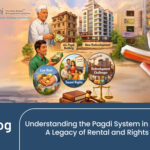

The Pagdi System is one of India’s most unique and historically significant rental arrangements, particularly prevalent in cities like Mumbai, Delhi, and Kolkata. Rooted in the pre-Independence era, this system continues to influence urban real estate, redevelopment policies, and tenancy laws even today.
Understanding the Pagdi system is essential for real estate professionals, developers, architects, investors, and anyone involved in urban planning or redevelopment projects.
What Is the Pagdi System?
The Pagdi System is a tenancy model where a tenant pays a substantial one-time amount—called Pagdi—to the landlord at the beginning of the tenancy. In return, the tenant receives long-term occupancy rights and pays a nominal monthly rent, often far below market value.
Unlike modern lease agreements, the Pagdi system traditionally does not involve formal registered contracts. Rent receipts act as proof of occupancy, making this arrangement informal yet legally recognized under Indian tenancy laws.
Historical Background of the Pagdi System in India
The Pagdi system originated during the colonial era, when housing demand in urban centers grew rapidly and formal rental laws were still evolving. Cities like Mumbai adopted this model widely, and over time, it became deeply embedded in the city’s real estate fabric—especially in older neighborhoods.
Even today, many prime properties in South Mumbai continue to operate under the Pagdi system, making it a critical subject for anyone dealing with redevelopment or property transactions in the region.
Legal Protection and Tenant Rights
Under the Maharashtra Rent Control Act, 1999, tenants under the Pagdi system enjoy strong legal protection, including:
-
Lifetime tenancy rights
-
Protection from eviction except under specific legal conditions
-
Rights to transfer or assign tenancy (with landlord consent)
-
Inheritance of tenancy by legal heirs
These provisions make Pagdi tenancy one of the most secure forms of occupation in Indian real estate.
Challenges for Property Owners and Developers
While tenants benefit significantly, landlords often face challenges such as:
-
Extremely low rental yields
-
Limited control over property usage
-
Difficulty in redeveloping old and unsafe structures
-
Long legal processes for redevelopment approvals
As a result, many Pagdi properties remain underutilized or poorly maintained, despite being located in high-value urban zones.
In recent years, authorities have attempted to modernise and regulate these arrangements. The Maharashtra government has introduced frameworks aiming to redevelop Pagdi properties and protect the rights of both tenants and landlords.
If you want to gain practical and legal clarity on redevelopment, tenancy laws, and urban regulations, REMI’s “DCPR 2034 for Greater Mumbai” program is designed specifically for industry professionals.
👉 Explore the program here:
https://www.remi.edu.in/dcpr-2034-for-greater-mumbai/